Our Blog
From early prototypes to flight ready systems, discover the milestones, challenges, and engineering decisions behind KFUPM ASCENT's journey to SUAS 2026.

From Detection to Coordinates: Position Estimation
Turning a YOLO bounding box into a real-world ground coordinate — the pixel-to-ground pipeline, an interactive trial replay, and what our error tests revealed about camera tilt.
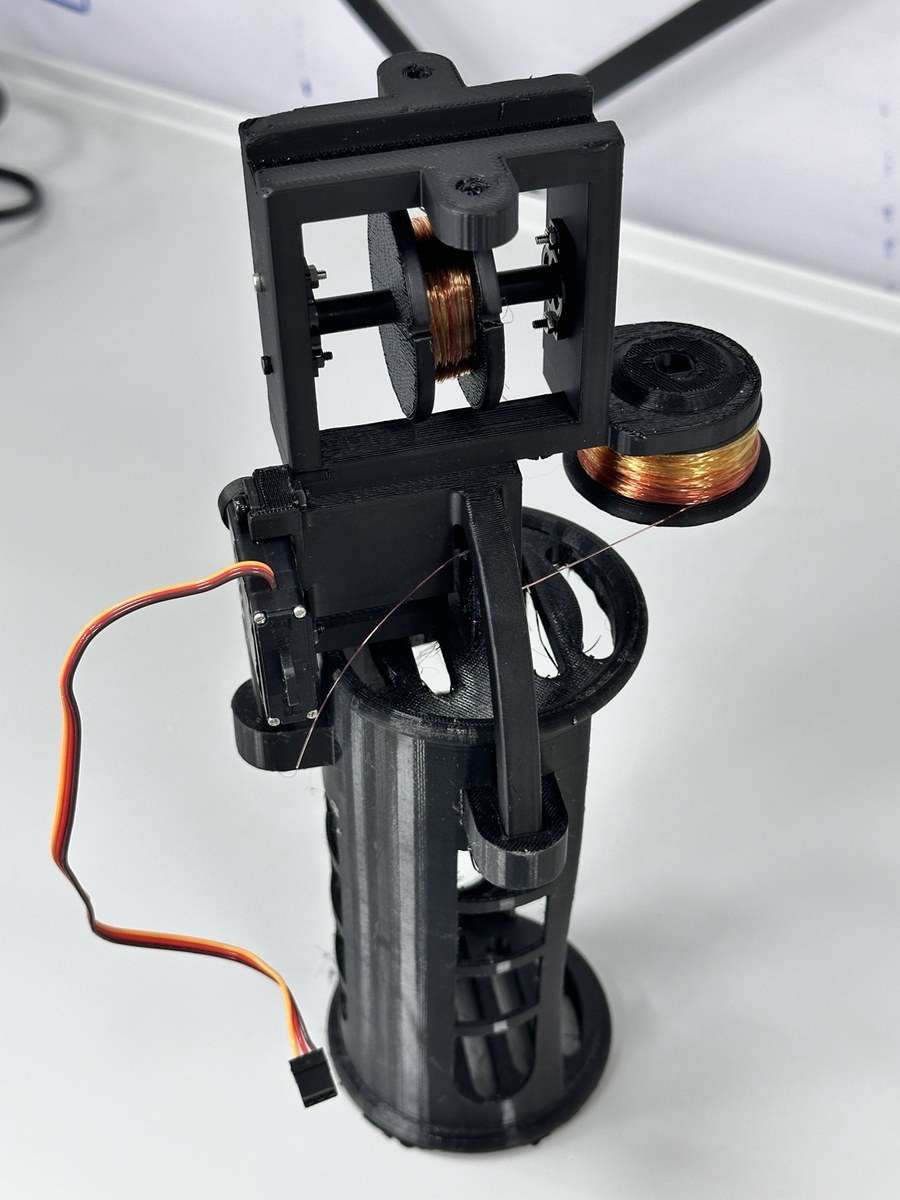
Fifty Meters, Controlled: Validating the Drop
Repeated 50 m drop tests validated the passive two-stage delivery — clean release, controlled descent, no damage — clearing the way for a faster 35–15 m configuration.
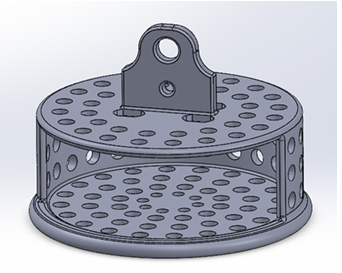
Redesigning the Beacon Payload Holder
Redesigning the beacon payload holder across three versions to protect the beacon while cutting bulk and weight and improving survivability.
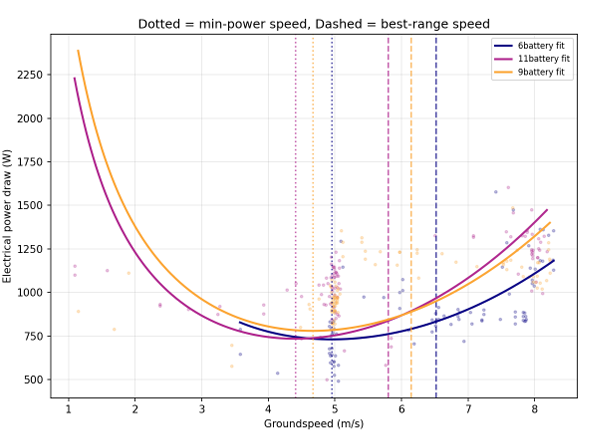
Checking Our Power Model Against Real Flights
Comparing our predicted battery usage against real flight measurements to sharpen mission planning and autonomous endurance estimates for ASCENT-1.
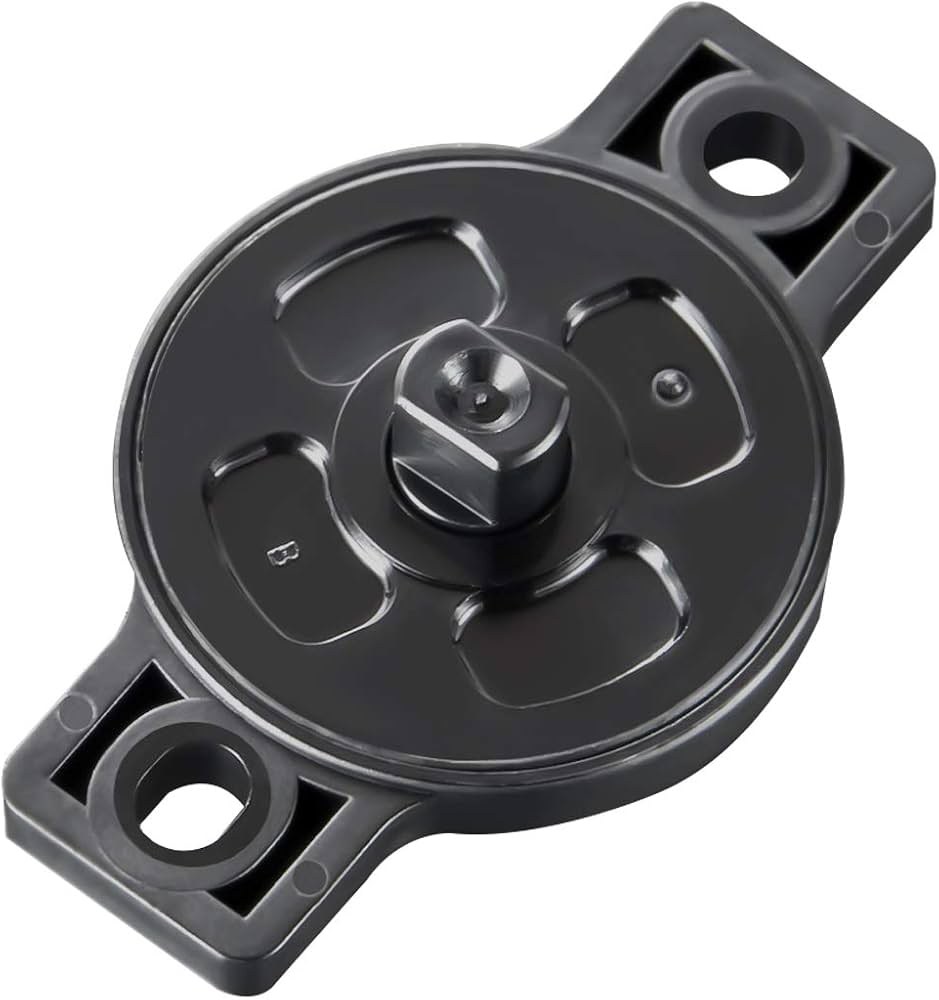
Braking a Free Fall: The Rotary-Damper Stage
Slowing a 50 m drop with no motor: an FRT-G2-600 rotary damper on a 28 mm braked pulley brings the payload down to a safe hand-off speed.
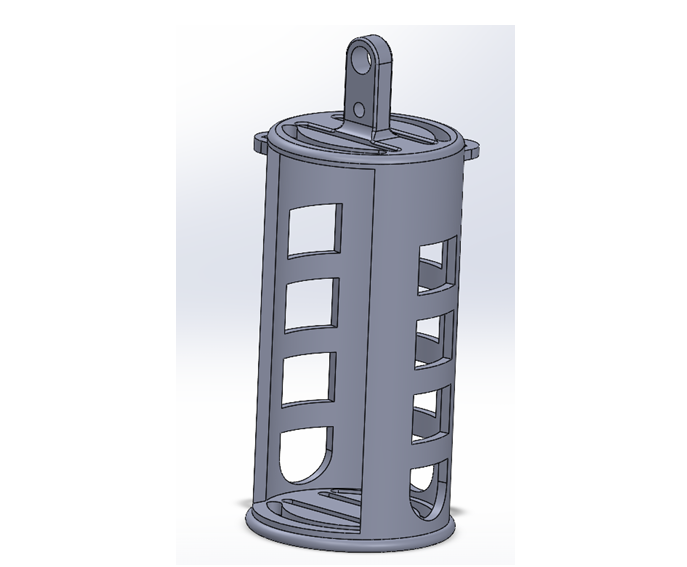
Iterating the Water Bottle Payload Holder
Evolving the water-bottle payload holder from Version 1 to a lighter, better-aligned Version 3, now approved for active testing.
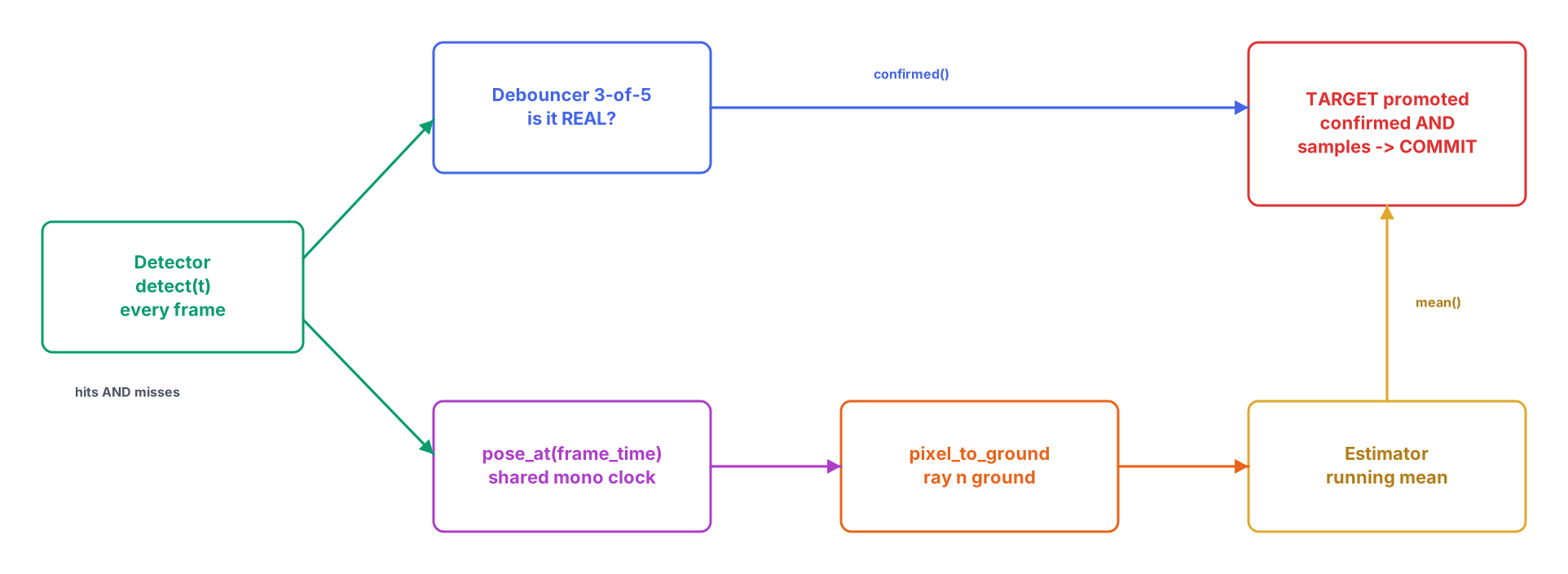
From Pixels to a Target: Full-Mission Integration
Bringing perception, communication, and flight together into one autonomous mission — confirm, localize, commit, and a LOITER orbit that refines the target to about two meters.
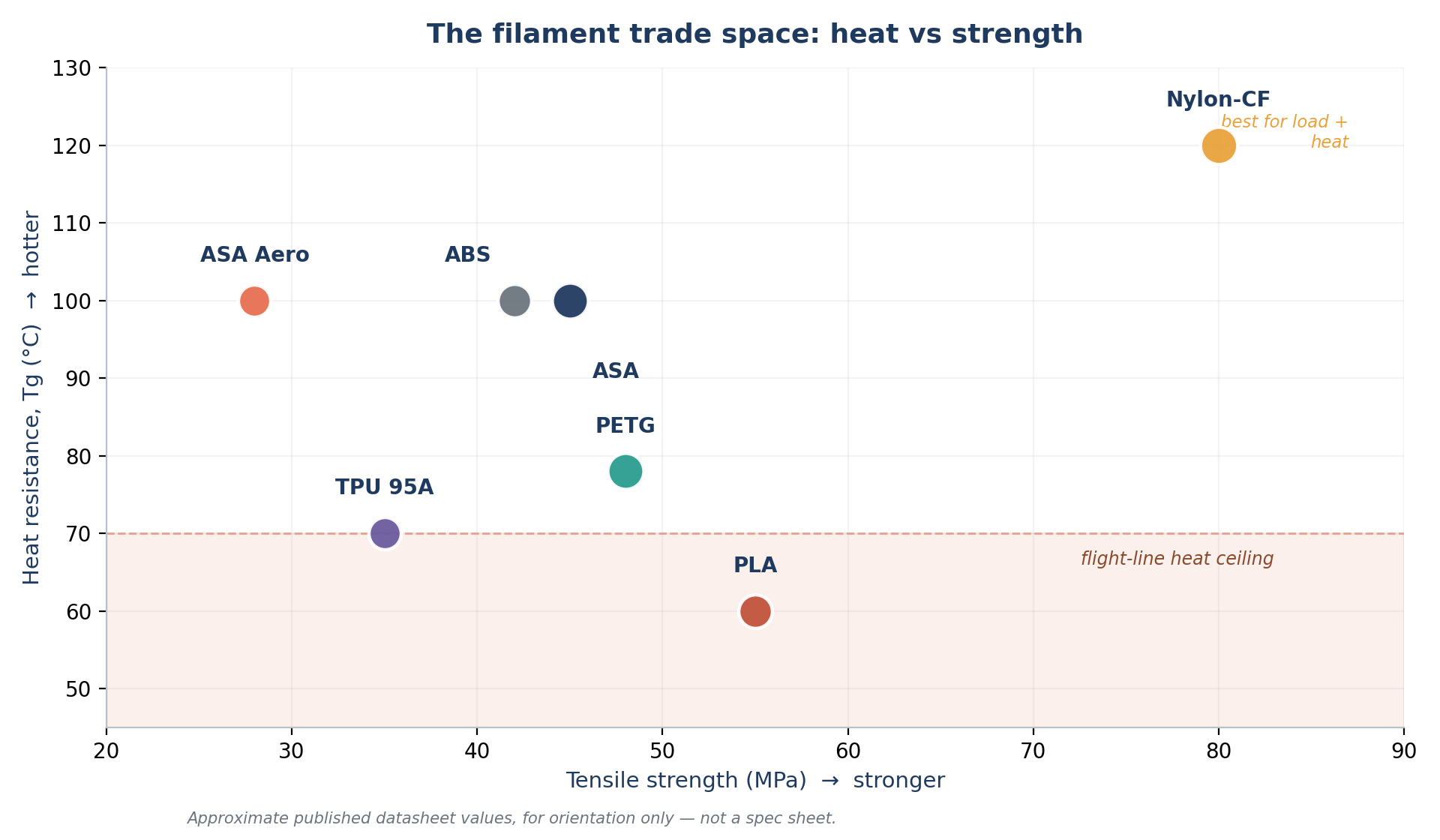
Selecting the Right Materials for Flight
Matching PETG, ASA, ASA Aero, TPU, and carbon-fibre nylon to each part by the heat, weight, and load it has to survive in flight.
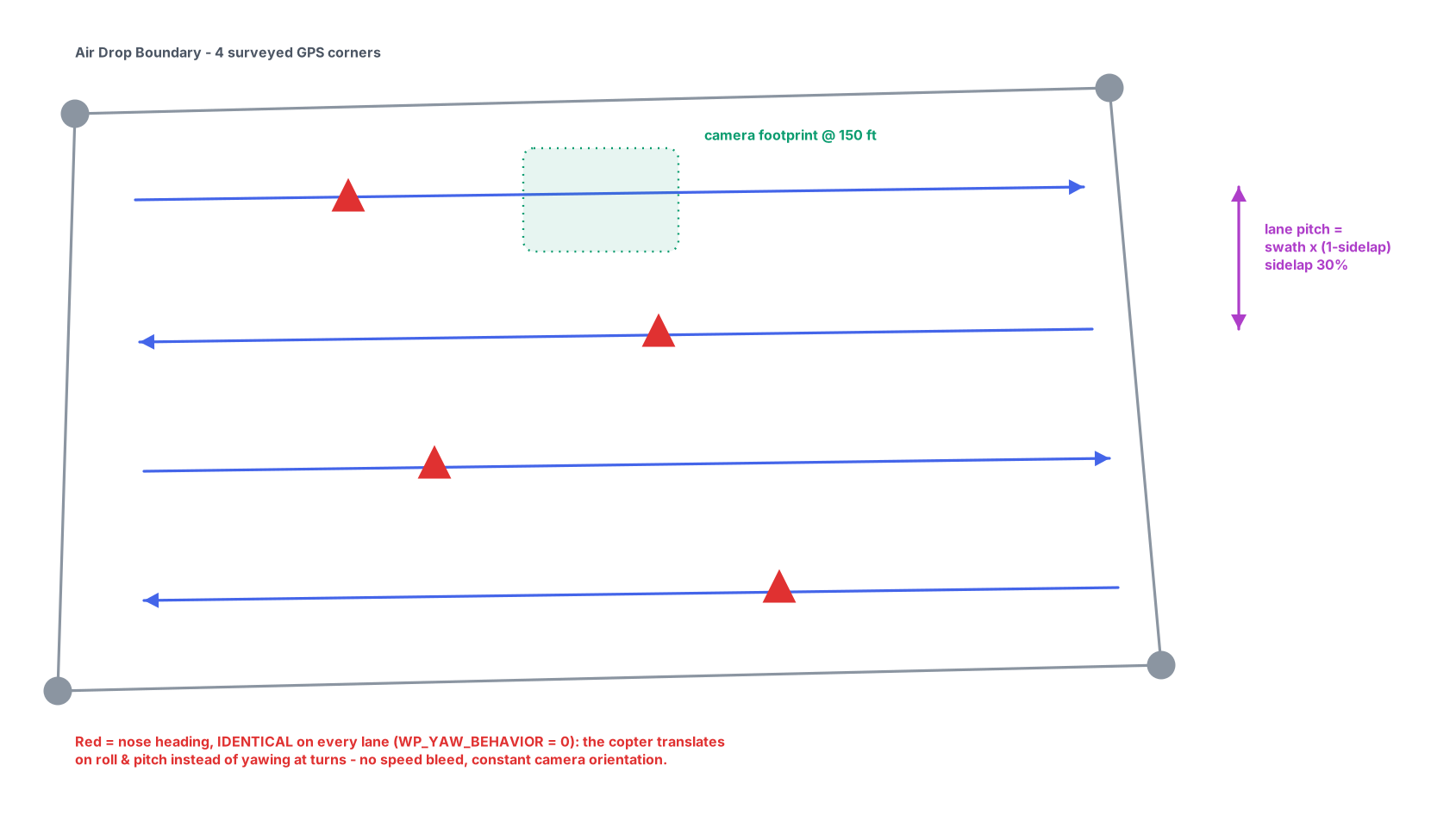
The Search State Machine
The mission logic that plans the search, debounces detections, and turns a camera pixel into GPS coordinates the drone flies to on its own.
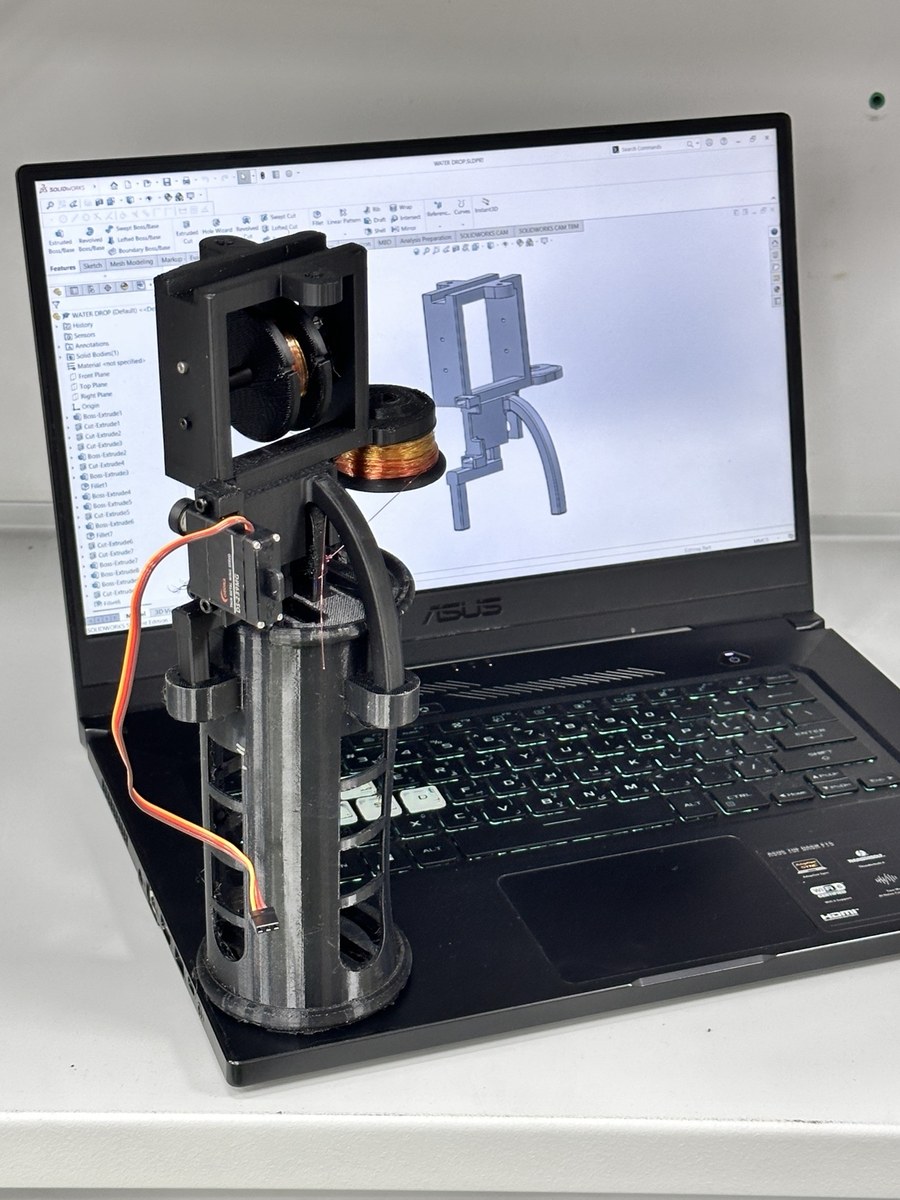
A Passive Two-Stage Drop: No Winch Required
A passive two-stage drop that replaces a motor-driven winch — one shared mechanism that delivers either the water bottle or the beacon.
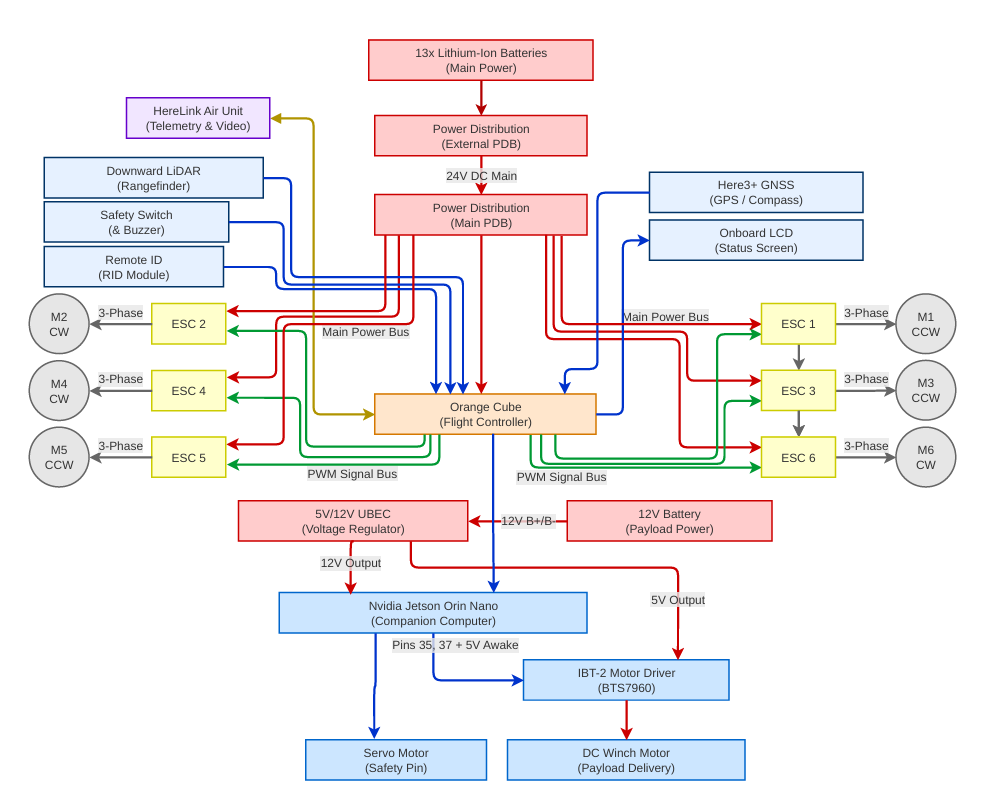
Wiring Up ASCENT-1: The Electrical Architecture
Mapping every subsystem of ASCENT-1 onto one electrical architecture, from the Orange Cube+ and Jetson Orin Nano to the power distribution boards and payload winch.
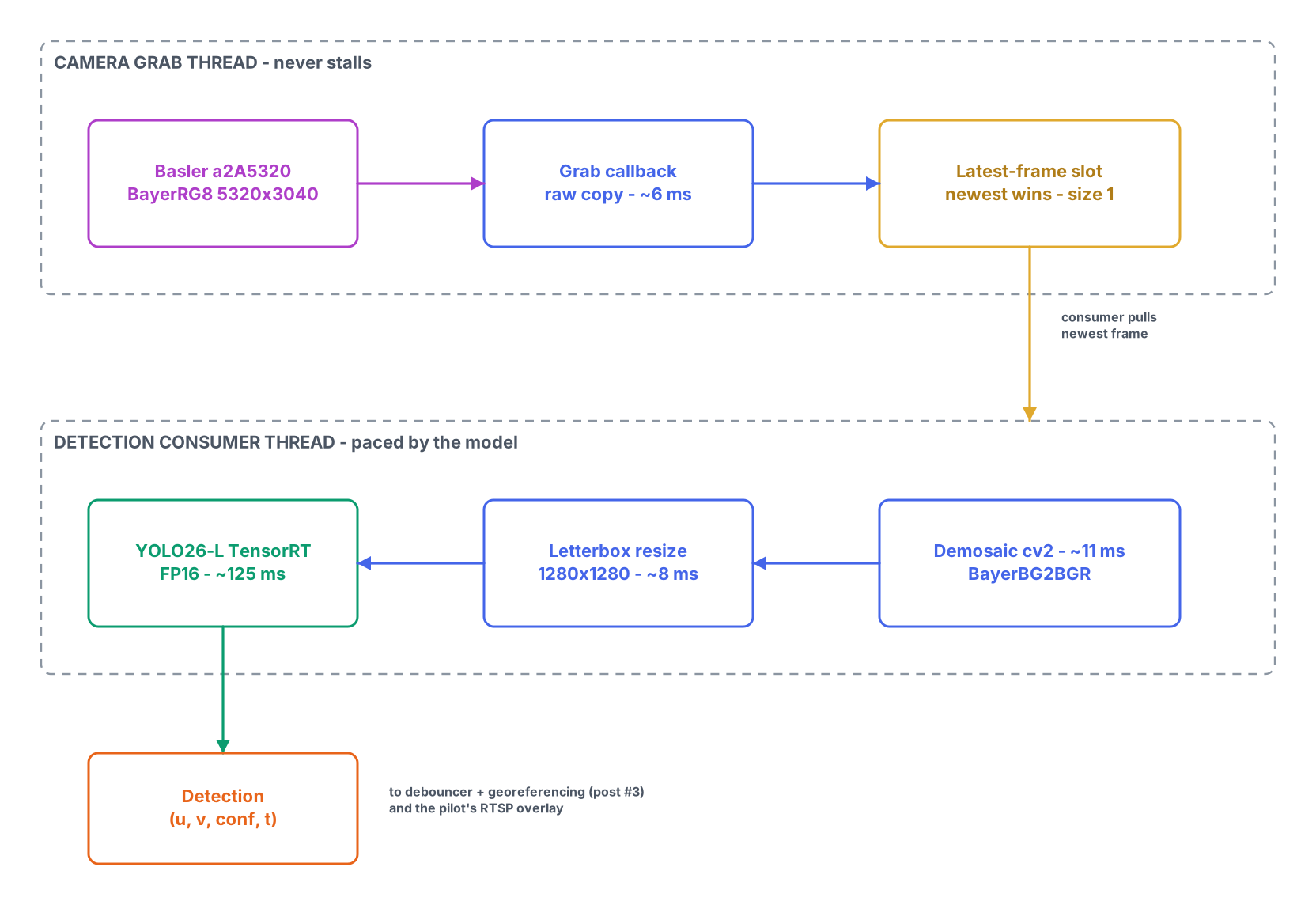
Seeing at 150 Feet: The Perception Pipeline
A real-time object-detection pipeline on 15 watts — raw Bayer capture, TensorRT YOLO on a Jetson Orin Nano, and a live RTSP overlay to the safety pilot.
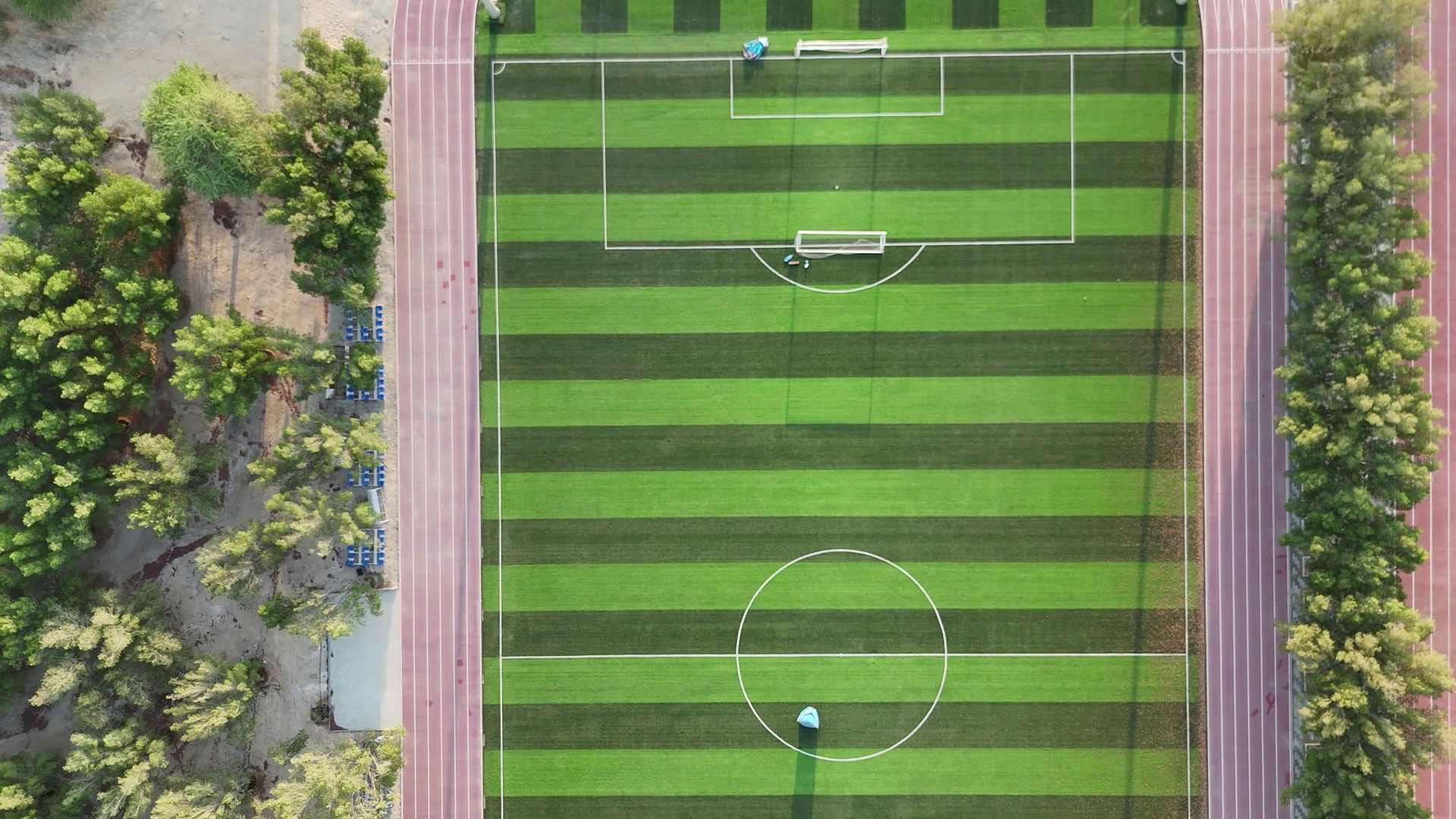
Building the Tent Detection Dataset
Collecting and annotating a custom aerial dataset of tents under competition-like conditions to improve the robustness of the team's YOLO perception pipeline.
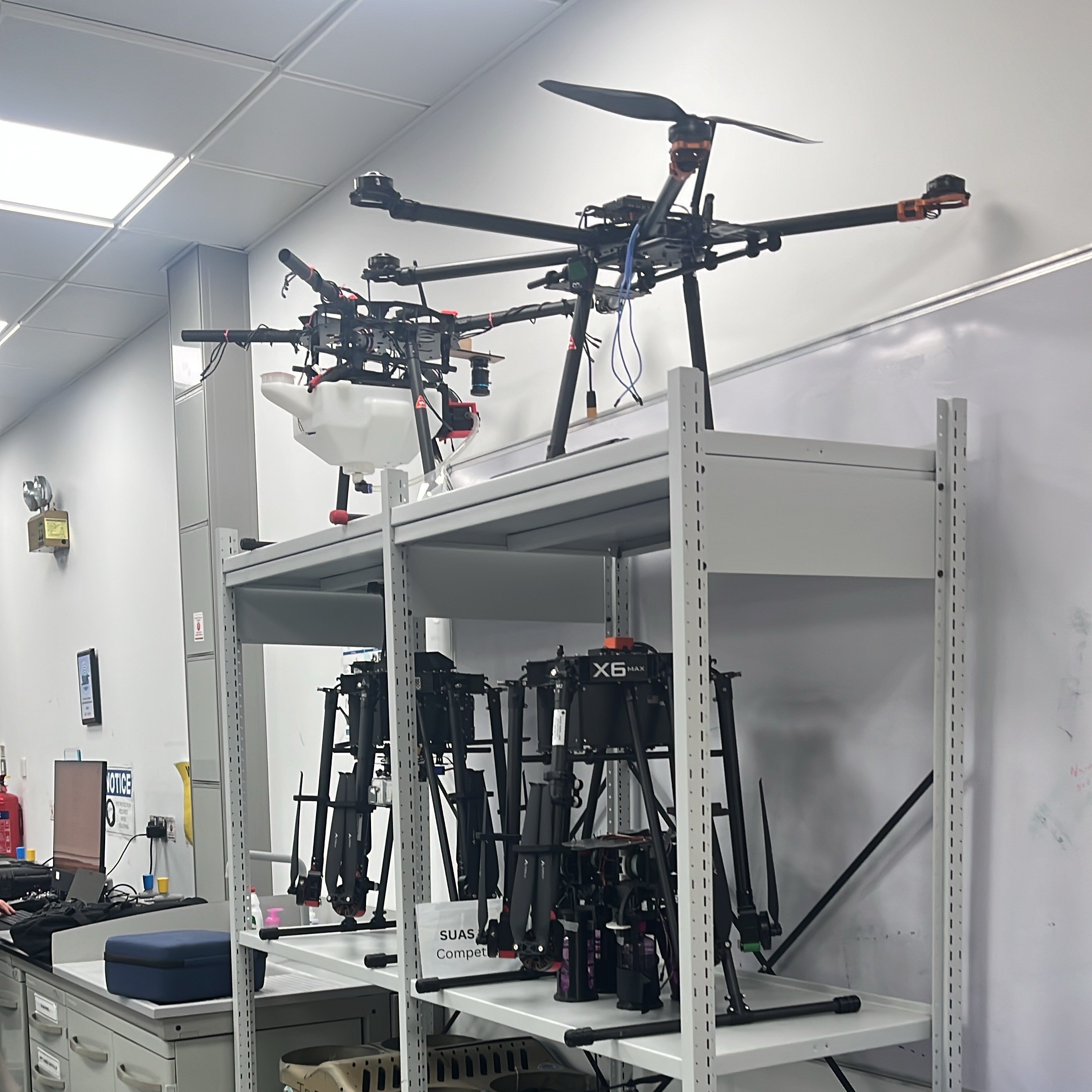
Building the Partnerships Behind ASCENT-1
Securing sponsorships from the Dream Realization Lab and TASNE3D — lab access, 3D printers, and discounted filament that accelerated the ASCENT-1 build.
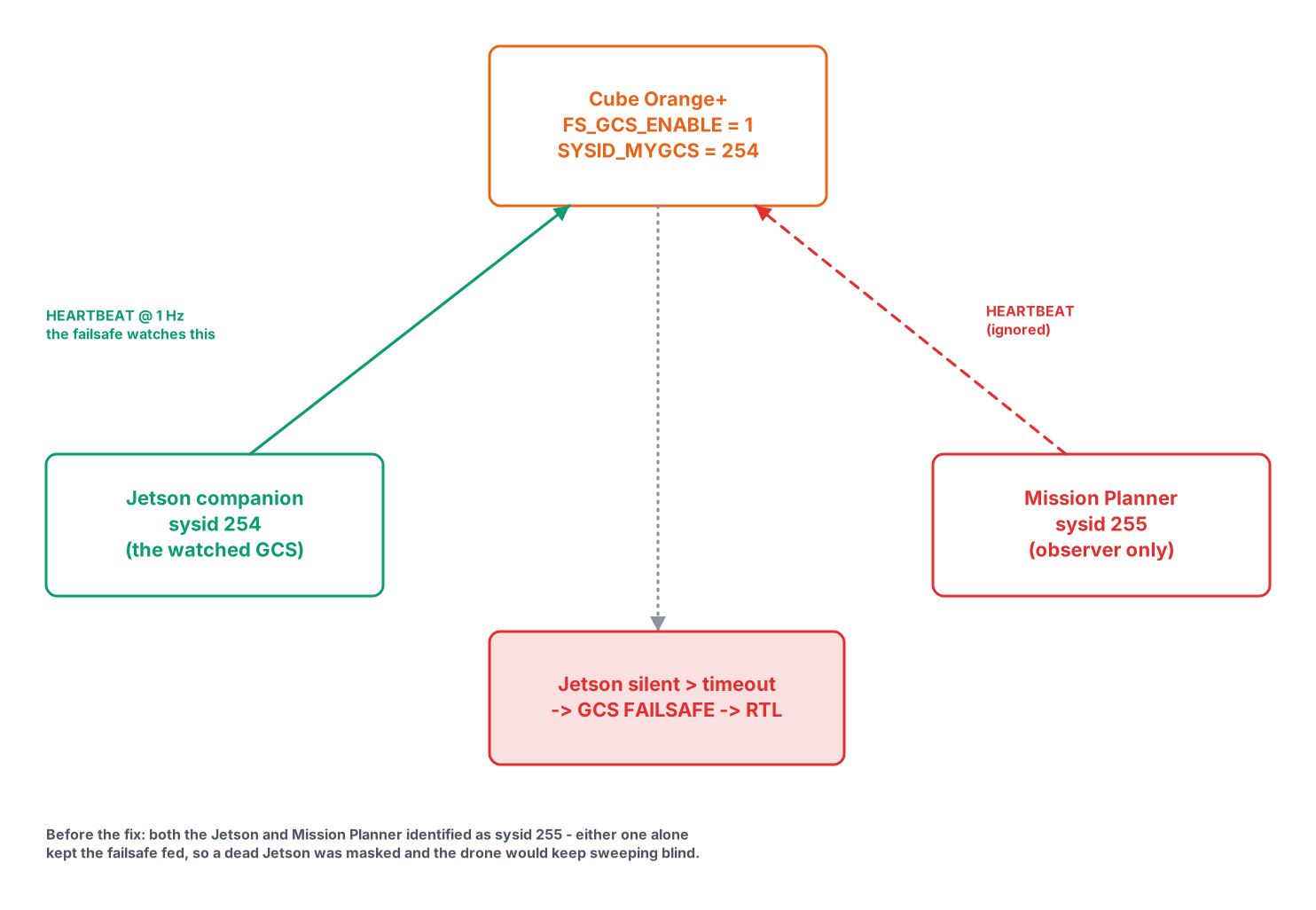
One Cable to the Sky: The MAVLink Bridge
Building a fault-tolerant MAVLink bridge between the Jetson and the Cube Orange+ — a companion-computer dead-man switch, a single-reader telemetry pump, and the field bugs that shaped both.
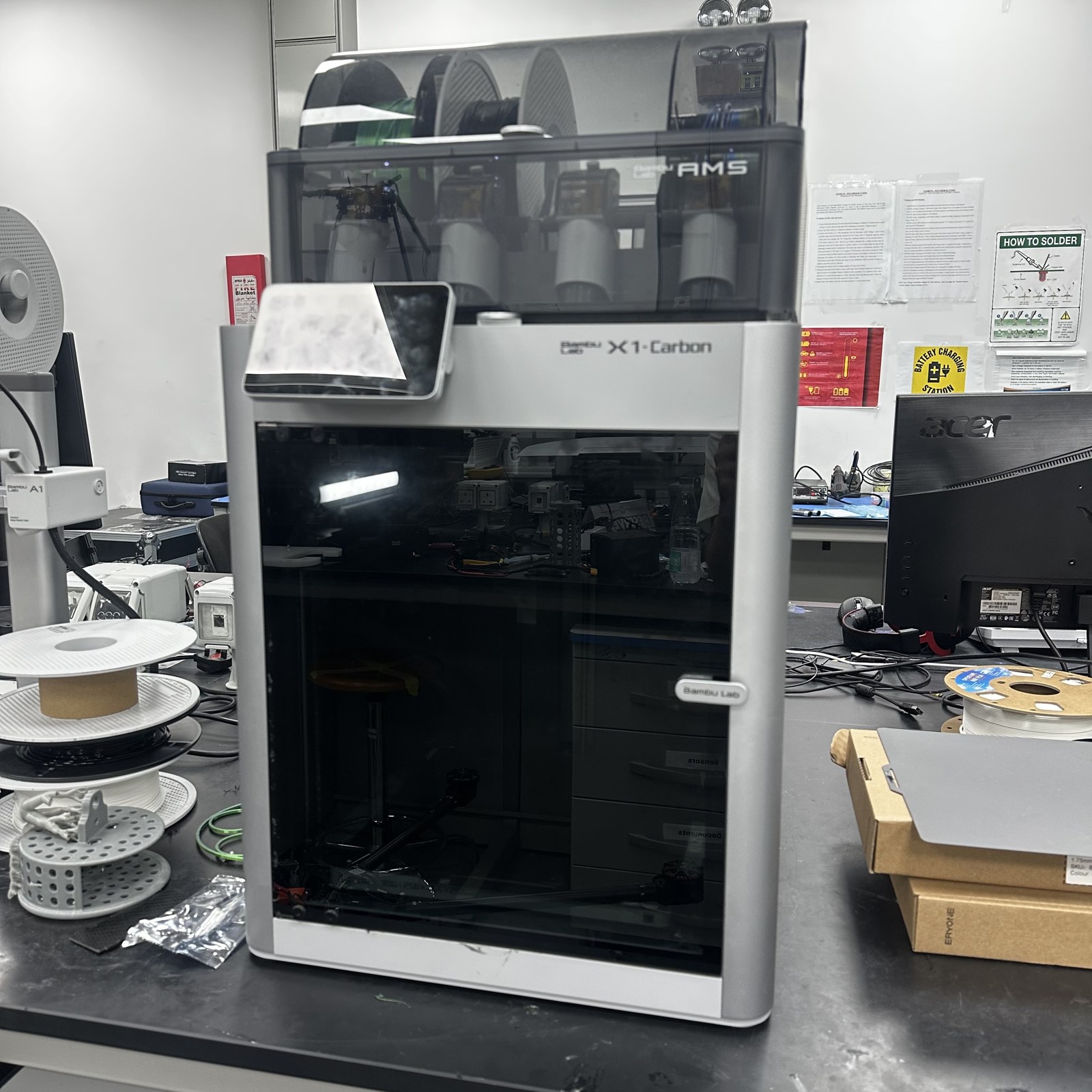
Building the Payload Manufacturing Workflow
Standing up an in-house 3D-printing workflow on three Bambu Lab printers to prototype, iterate, and print ASCENT-1's structural parts overnight.
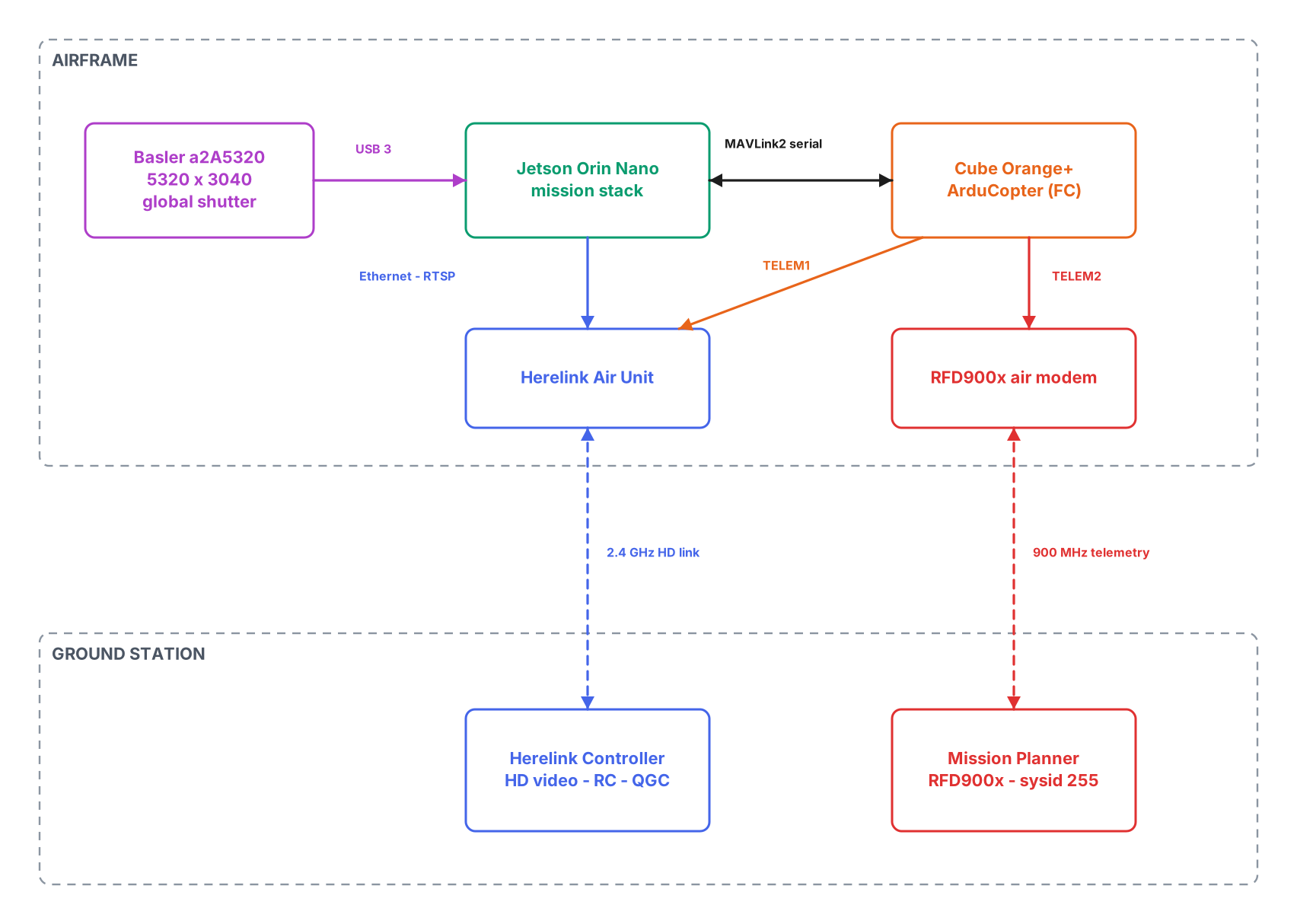
The Autonomy Architecture Behind ASCENT-1
How the ASCENT-1 autonomy stack fits together — a Jetson for perception and mission logic, a Cube Orange+ for flight, one MAVLink link between them, and a state machine that always has a safe exit.
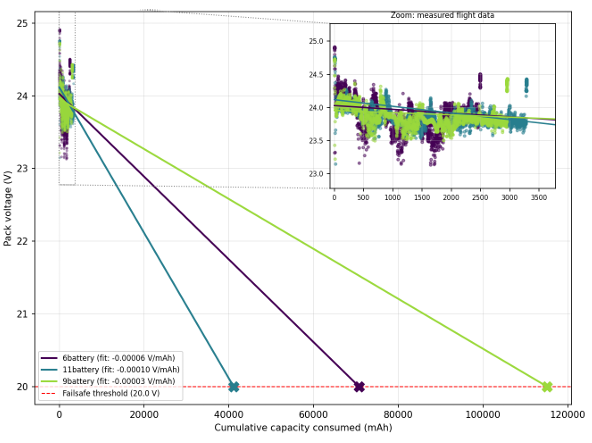
Building ASCENT-1's Battery Architecture
Selecting a lithium-ion battery configuration that balances endurance, weight, and the competition's easy-to-transport limit for ASCENT-1.
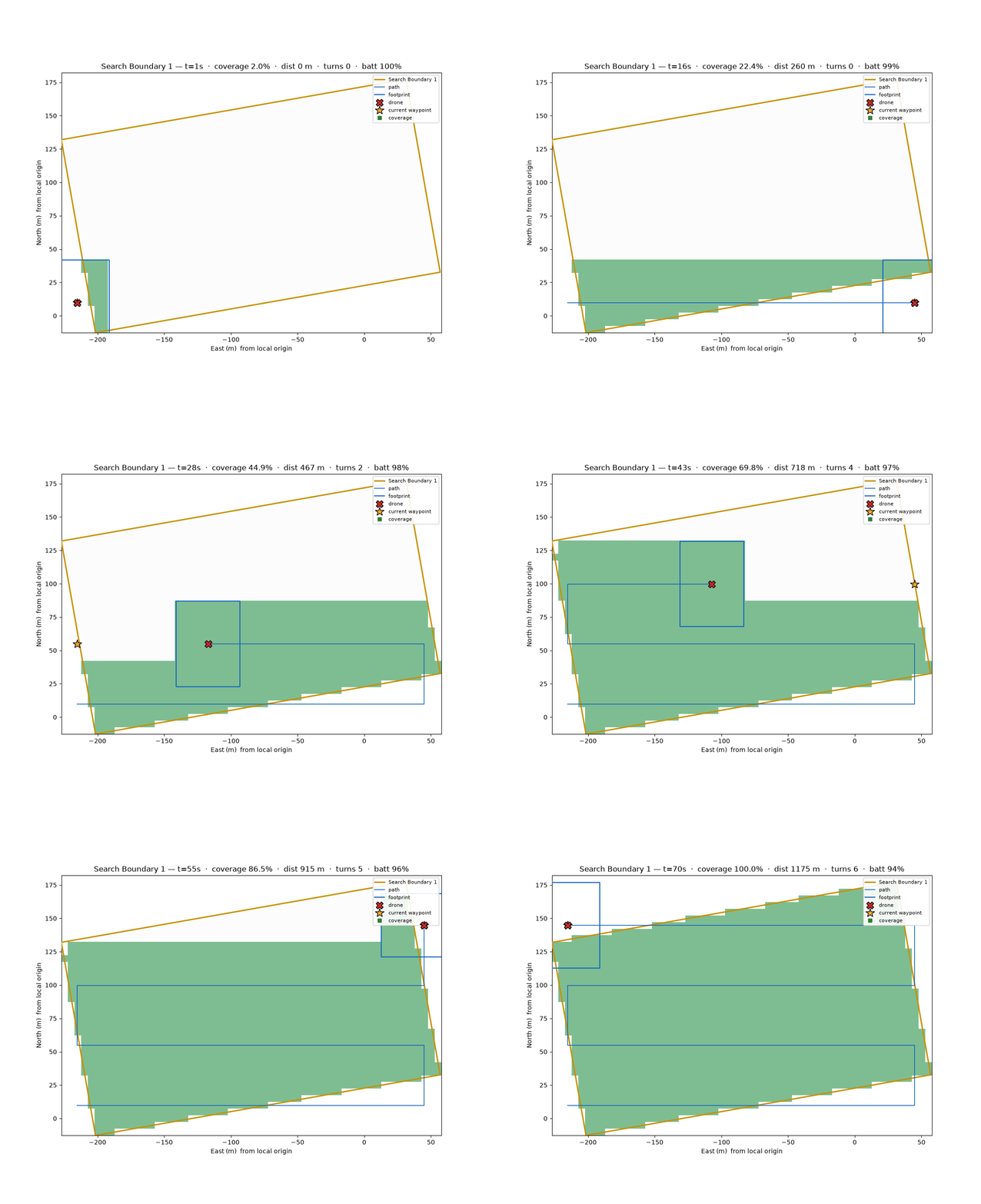
Building the SUAS Search Simulator
Designing a research platform to evaluate autonomous UAV search algorithms using the official SUAS 2026 mission environment before flight testing.

Quick Links
Contact Us
About KFUPM ASCENT
KFUPM ASCENT is the official Unmanned Aircraft Systems team of King Fahd University of Petroleum & Minerals, representing the university in the SUAS competition through autonomous aerial systems, computer vision, and advanced aerospace engineering.